
Fantanesh Dixon
LCSW· Accepting clientsNevada · 6 yrs exp
Fantanesh Dixon, LCSW, based in Nevada, bringing 6 years of practice, welcoming new clients.
Stress, Anxiety · Depression
Read profileThe therapist listings are provided by BetterHelp and we will earn a commission if you use our link - at no cost to you.
Welcome to our Nevada page for psychodynamic-trained therapists. All listed clinicians are licensed and have training in modern psychodynamic approaches that emphasize patterns, attachment, and the therapeutic relationship. Explore the listings to find a therapist who matches your needs and schedule a consultation.
Nevada · 6 yrs exp
Fantanesh Dixon, LCSW, based in Nevada, bringing 6 years of practice, welcoming new clients.
Stress, Anxiety · Depression
Read profile
Nevada · 15 yrs exp
Azadeh Shahryarinejad, LMFT, based in Nevada, welcoming new clients.
Stress, Anxiety · Relationship · Trauma and abuse · Anger · +1 more
Read profile
Nevada · 40 yrs exp
I know that it takes courage to take the first steps towards a change.
Addictions · Relationship · Intimacy-related issues · Self esteem · +1 more
Read profile
Nevada · 7 yrs exp
Felecia's practice areas include stress and anxiety, self esteem, depression, coping with life changes, and ADHD.
Stress, Anxiety · Self esteem · Depression · Coping with life changes · +8 more
Read profile
Nevada · 7 yrs exp
Ebony's practice areas include LGBT, trauma and abuse, grief, self esteem, and depression.
LGBT · Trauma and abuse · Grief · Self esteem · +1 more
Read profile
Nevada · 38 yrs exp
I have deep respect for people who seek the challenge and the satisfaction that come with personal growth.
Stress, Anxiety · Relationship · Family · Trauma and abuse · +8 more
Read profile
Nevada · 3 yrs exp
Angelique's practice areas include stress and anxiety, grief, and self esteem.
Stress, Anxiety · Grief · Self esteem · Addictions · +13 more
Read profile
Nevada · 25 yrs exp
I believe that individuals seeking help/answers are the most courageous individuals.
Stress, Anxiety · Relationship · Family · Trauma and abuse · +8 more
Read profile
Nevada · 13 yrs exp
Amber's practice areas include stress and anxiety, addictions, trauma and abuse, self esteem, and depression.
Stress, Anxiety · Addictions · Trauma and abuse · Self esteem · +10 more
Read profile
Nevada · 30 yrs exp
Cara's practice areas include stress and anxiety, relationship issues, self esteem, depression, and coping with life changes.
Stress, Anxiety · Relationship · Self esteem · Depression · +9 more
Read profile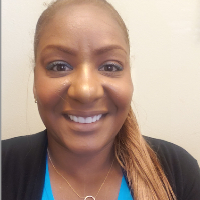
Nevada · 10 yrs exp
Come in, sit down, and I will listen.
Stress, Anxiety · Family · Parenting · Anger · +6 more
Read profile
Nevada · 12 yrs exp
I believe in treating everyone with respect, sensitivity, and compassion.
Stress, Anxiety · Grief · Self esteem · Bipolar · +11 more
Read profile
Nevada · 4 yrs exp
Jared's practice areas include stress and anxiety, addictions, LGBT, self esteem, and depression.
Stress, Anxiety · Addictions · LGBT · Self esteem · +14 more
Read profile
Nevada · 8 yrs exp
I believe we all have the capacity to build a good life, even when we’re struggling.
Stress, Anxiety · Addictions · Relationship · Family · +15 more
Read profile
Nevada · 12 yrs exp
Russell's practice areas include stress and anxiety, relationship issues, family conflicts, grief, and anger management.
Stress, Anxiety · Relationship · Family · Grief · +1 more
Read profile
Nevada · 6 yrs exp
I am here to support & empower you in that journey.
Stress, Anxiety · Relationship · Trauma and abuse · Self esteem · +10 more
Read profile
Nevada · 10 yrs exp
Together, we’ll explore tools and strategies that actually fit your life—not just textbook solutions.
Stress, Anxiety · LGBT · Relationship · Self esteem · +1 more
Read profile
Nevada · 16 yrs exp
I believe in treating everyone with respect, sensitivity, and compassion.
Stress, Anxiety · Relationship · Trauma and abuse · Self esteem · +1 more
Read profileIf you live in Nevada and are curious about psychodynamic therapy you will find that many clinicians now offer this depth-oriented approach both online and in person. Psychodynamic work emphasizes understanding the unconscious patterns that shape how you relate to others and how you experience yourself. Rather than focusing narrowly on symptom management, psychodynamic therapists tend to explore longstanding relational themes, defense mechanisms, and developmental influences so you can gain insight into why certain problems keep recurring.
Modern psychodynamic practice often incorporates attachment theory and contemporary relational perspectives, which makes it a living tradition rather than a historical relic. This means therapists blend classical understanding of internal conflicts with current research on attachment, affect regulation, and interpersonal dynamics. For many people in Nevada, from urban areas to rural communities, online psychodynamic therapy increases access to clinicians whose training matches these methods, allowing you to maintain continuity of care even when local options are limited.
Psychodynamic therapy is commonly sought when you are asking deeper questions about recurring patterns in your life - why relationship problems repeat, why mood struggles feel resistant to shorter-term interventions, or how early experiences continue to shape your sense of self. If you have long-standing anxiety or depression that has not fully responded to skills-based approaches, psychodynamic work can provide a context for exploring roots and relational meanings rather than only teaching coping techniques.
This approach can be particularly useful for addressing chronic interpersonal difficulties, issues with self-esteem and identity, unresolved grief and loss, and developmental trauma that influences current functioning. Attachment-related difficulties are central to psychodynamic understanding, so if you notice patterns of avoidance, anxious clinging, or repeated ruptures in relationships you may find psychodynamic therapy helpful. It is also an option during life transitions when you want to understand recurring themes - for example, repeatedly choosing similar partners, career decisions that feel driven by older expectations, or repeated conflicts with family members that echo past dynamics.
Psychodynamic therapy is talk-focused and often less structured than some other modalities, which means it can translate well to video sessions. In an online session you can explore free associations, dreams, relational reactions, and the feelings that arise toward the therapist - material that is central to this work. While some clinicians initially preferred in-person meetings for the nuances of presence and nonverbal communication, many have adapted their relational skills to the screen and maintain the depth of psychodynamic work remotely.
Consistency tends to matter more in psychodynamic therapy than in many short-term approaches. Regular meetings with the same therapist at the same weekly time create a predictable context in which patterns can be observed and explored. For online work this also means choosing a quiet, uninterrupted setting in your home or another personal location where you can be fully present. Keep in mind that clinicians must be licensed in Nevada to provide ongoing treatment to residents of the state, so confirm licensure before beginning sessions. If you travel temporarily outside Nevada, discuss any limitations with your therapist, since rules can vary by jurisdiction.
Before beginning therapy it is wise to verify that a clinician is licensed to practice in Nevada. You can ask the therapist for their full name, license number, and the state board that issued the license, and then check that information on the appropriate Nevada licensing board website. Different types of clinicians may be licensed under different boards - psychologists, clinical social workers, marriage and family therapists, and professional counselors each have their own regulatory authorities. When you look up a license you can confirm that the license is active, see the license type, and check for any disciplinary history listed by the board.
If you prefer not to navigate licensing websites, you can request that the clinician provide the board's contact details or a printout showing current status. It is reasonable to ask how long they have been licensed in Nevada and whether they hold any additional postgraduate training in psychodynamic or psychoanalytic methods. You may also ask about professional memberships and training affiliations - these can provide extra context about a therapist's orientation and ongoing education. Asking for this information is a standard part of choosing a clinician and helps you make an informed decision about fit and professionalism.
When you are evaluating clinicians look for postgraduate psychodynamic or psychoanalytic training in addition to a clinical degree and state licensure. Training may include institute-based programs, analytic training seminars, or long-term supervision focused on psychodynamic casework. Affiliations with professional organizations that recognize psychodynamic approaches can be useful markers of training and commitment to the model. For example, many clinicians pursue continuing education through relational and attachment-focused institutes, or maintain membership in professional divisions that emphasize psychodynamic perspectives.
Relational fit is particularly important in psychodynamic therapy because the relationship itself is a primary instrument of change. During an initial consultation pay attention to how the therapist responds to your questions, whether they invite exploration of feelings about the therapeutic relationship, and if they describe how they understand transference and countertransference. Ask about their typical session frequency, whether they use interpretation regularly, and how they approach pacing and boundaries. A good initial meeting should give you a sense of whether you can develop a sustained, reflective relationship with the clinician - that matters more in this work than simply matching a checklist of credentials.
Deciding between in-person and online sessions depends on your needs and local availability. Urban centers in Nevada may offer more in-person options, while online care broadens access across the state and can eliminate travel barriers. Some people prefer in-person work for the embodied aspects of presence, while others find online sessions allow for greater convenience and consistency. Whatever you choose, prioritize regularity and a therapist who clearly articulates their psychodynamic framework and how it informs the work you will do together.
In the first few sessions you can ask a clinician how they conceptualize your concerns from a psychodynamic perspective, what kinds of themes they expect to explore, and how they measure progress. You might ask about the length of treatment they typically recommend, how they handle difficult emotional responses, and what to expect if painful material arises. Clear conversation about fees, cancellation policies, and how they handle emergencies will also help you feel more prepared for regular sessions.
Choosing a psychodynamic therapist is a personal process. You are looking not only for credentials but also for a relational match that allows you to explore complex feelings and longstanding patterns. Take advantage of initial consultations to assess fit, and remember that it is normal to interview more than one clinician before deciding. Begin with a clear sense of your goals - whether you want to understand repeating relationship patterns, work through developmental wounds, or gain a more coherent sense of identity - and use those goals to guide your questions and expectations.
Once you begin work, regular attendance and open communication with your therapist will create the conditions for meaningful exploration. Psychodynamic therapy tends to be a gradual process of discovery, where new awarenesses unfold over time. If you live in Nevada and are ready to look deeper into the patterns that shape your life, a trained psychodynamic therapist can be a thoughtful partner on that journey. Browse listings to find licensed professionals who focus on psychodynamic work, reach out for a consultation, and choose the format - online or in person - that helps you maintain steady progress.
Addictions
1369 therapists
ADHD
1175 therapists
Anger
1578 therapists
Bipolar
1216 therapists
Depression
2122 therapists
Eating Disorders
621 therapists
Grief
1828 therapists
Guilt and Shame
1680 therapists
Impulsivity
1006 therapists
Mood Disorders
1426 therapists
OCD
767 therapists
Panic Disorder and Panic Attacks
1210 therapists
Post-Traumatic Stress
1516 therapists
Postpartum Depression
729 therapists
Self Esteem
2087 therapists
Sleeping Disorders
702 therapists
Social Anxiety and Phobia
1489 therapists
Stress & Anxiety
2245 therapists
Trauma and Abuse
1920 therapists